Common Smartphone Charging Myths You Should Stop Believing for Better Battery Performance
Smartphone charging is a routine part of daily life, yet it remains one of the most misunderstood aspects of smartphone use. Over the years, countless charging myths have circulated, and many of them continue to be repeated even though modern battery technology has changed significantly.
Because these myths often sound reasonable, many users follow outdated advice without questioning it. This can lead to unnecessary concern and confusion about how to properly care for a smartphone battery.
Understanding the facts behind common smartphone charging myths can help you make better decisions and focus on the habits that truly matter for battery performance and longevity.
Why Charging Myths Continue to Exist
Many charging myths originated years ago when older battery technologies required different care and charging practices.
Some of the main reasons these myths continue to spread include:
- Outdated advice being passed along
- Misunderstandings about battery technology
- Information shared through word of mouth
Although smartphone technology has evolved considerably, many old beliefs remain surprisingly common.
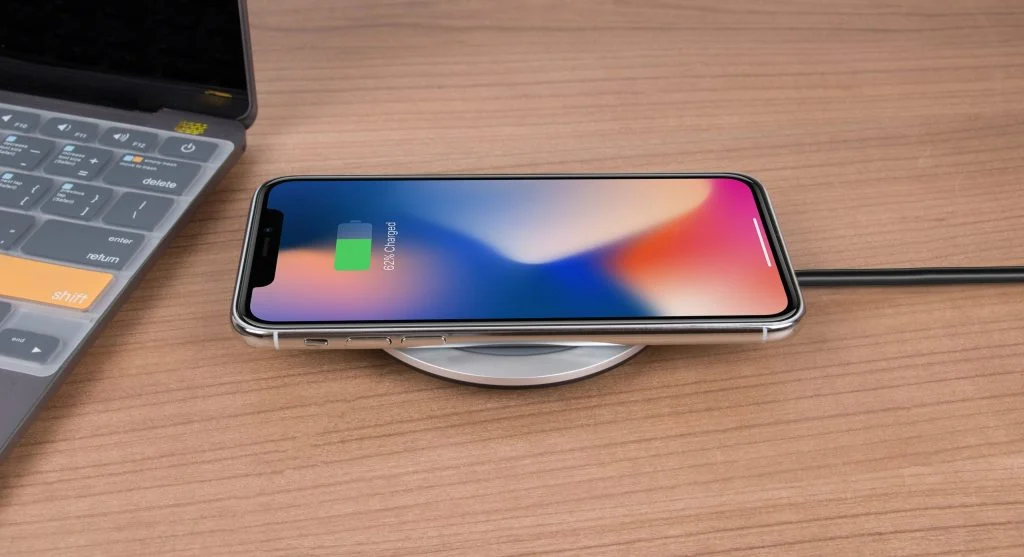
Myth 1: You Must Always Charge Your Phone to 100%
A common belief is that every charging session should end with the battery reaching 100%.
Modern smartphone batteries, however, do not require a full charge every time they are plugged in.
In reality, overall charging habits tend to matter more than consistently reaching maximum capacity. Regular use and balanced charging patterns are generally more important than achieving a full charge during every session.
Myth 2: You Should Always Let the Battery Reach 0%
This myth originated from older battery technologies that benefited from complete charge and discharge cycles.
Today’s smartphone batteries operate differently.
Frequently allowing the battery to drain completely may place additional stress on it over time. Modern devices generally perform well without requiring full discharge cycles.
Myth 3: Using Your Phone While Charging Is Always Harmful
Many people believe that using a smartphone while it is charging automatically damages the battery.
The reality is more nuanced.
Normal activities such as messaging or browsing are typically not a major concern. However, demanding tasks like gaming or intensive video processing can generate additional heat.
In most cases, excessive heat—not simply using the phone while charging—is the factor that can affect battery health.

Myth 4: All Chargers Work the Same Way
It is easy to assume that any charger will provide the same charging experience, but that is not always true.
Charging performance can vary based on factors such as:
- Power output
- Device compatibility
- Overall build quality
Using reliable and compatible charging equipment helps ensure efficient and stable charging.
Myth 5: Charging Overnight Always Damages the Battery
One of the most widespread charging myths is that leaving a phone plugged in overnight will automatically damage the battery.
Modern smartphones are designed with charging management systems that help regulate power once the battery reaches full capacity.
As a result, occasional overnight charging is generally not considered harmful for most modern devices.
Myth 6: Fast Charging Always Damages Battery Health
Fast charging often receives criticism because some users assume it places excessive stress on the battery.
Modern smartphones that support fast charging are designed to manage this process safely.
When used with compatible equipment, fast charging is generally intended to balance convenience and battery protection without causing significant harm.

Myth 7: Closing All Apps Improves Charging Efficiency
Some users believe that manually closing every open app will dramatically improve charging speed.
While reducing background activity may slightly lower power consumption in some situations, modern operating systems are designed to manage apps efficiently on their own.
Closing every app before charging is usually unnecessary for most users.
What Actually Matters for Battery Health
Instead of focusing on outdated myths, it is more useful to pay attention to the factors that genuinely influence battery performance.
Some of the most important considerations include:
- Avoiding excessive heat
- Using reliable charging accessories
- Maintaining balanced usage habits
These practices generally have a greater impact on battery longevity than many commonly repeated charging myths.
Build Better Charging Habits
Good battery care does not require complicated routines.
Simple habits can make a meaningful difference, including:
- Charging when needed
- Avoiding excessive heat during charging
- Limiting demanding activities if the device becomes too warm
Consistency is often more beneficial than trying to follow strict or outdated charging rules.
Frequently Asked Questions
Q: Are charging myths true?
A: Most are outdated or misunderstood.
Q: Should I drain battery fully?
A: No, modern batteries do not require it.
Q: Is fast charging safe?
A: Yes, with proper usage.
Q: What affects battery health most?
A: Heat and usage habits.
Key Takeaway
Many smartphone charging myths continue to circulate despite major advances in battery technology. By understanding what is fact and what is fiction, you can focus on practical habits that genuinely support battery health. Avoiding excessive heat, using reliable charging equipment, and maintaining balanced usage patterns are far more important than following outdated charging advice.
Share this content:














Post Comment