The Hidden Downsides of AI Tools That Most Users Don’t Realize Yet
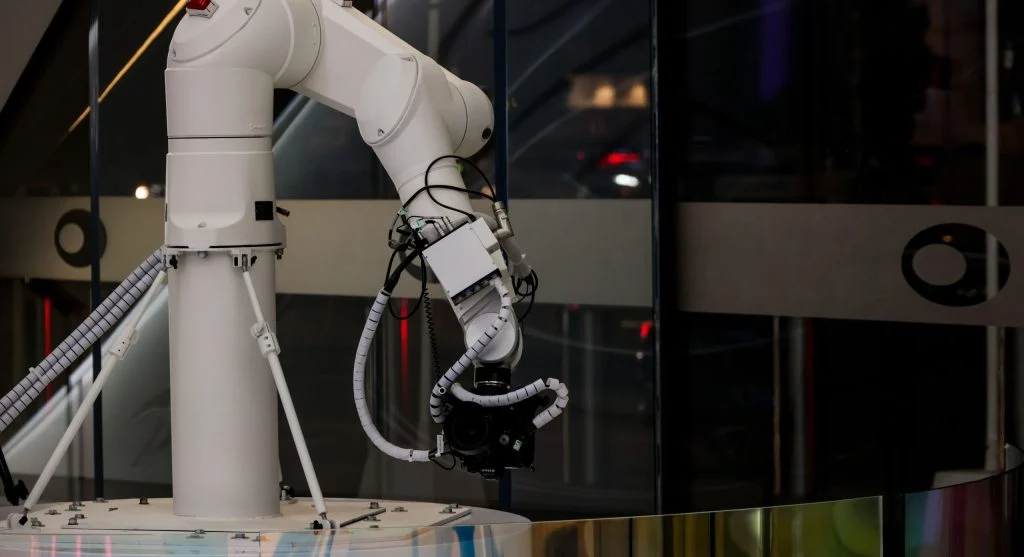
AI tools are becoming a part of everyday life. From writing and searching to scheduling and automation, they make tasks faster and easier.
But while most people focus on the benefits, there are some hidden downsides that rarely get attention. These issues don’t always appear immediately—but they can slowly affect how we think, work, and make decisions.
When Convenience Becomes Dependence
One of the biggest concerns is over-reliance. When AI handles too many tasks, users may stop thinking through problems themselves.
Instead of analyzing, planning, or creating, people begin to depend on automated suggestions.
Over time, this can reduce problem-solving ability.
The Creativity Trade-Off
AI tools can generate ideas quickly—but they often follow patterns based on existing data.
This means:
- Ideas may feel repetitive
- Original thinking may decrease
- Content can become predictable
Users who rely only on AI may unknowingly limit their creative growth.

Accuracy Isn’t Always Guaranteed
AI tools are powerful—but they are not perfect.
They can:
- Provide outdated information
- Misinterpret context
- Generate confident but incorrect answers
This creates a risk when users trust outputs without verifying them.
The Illusion of Speed
AI makes tasks faster—but speed doesn’t always equal quality.
Quick results can sometimes lead to:
- Shallow understanding
- Less attention to detail
- Rushed decision-making
In some cases, slowing down actually produces better outcomes.

Reduced Skill Development Over Time
When AI handles tasks like writing, planning, or organizing, users may stop practicing those skills.
This can affect:
- Writing ability
- Critical thinking
- Decision-making confidence
Skills that are not used regularly tend to weaken over time.
Hidden Data and Privacy Concerns
Many AI tools process user input to improve performance.
This means:
- Data may be stored or analyzed
- Privacy settings matter more than ever
- Users need to be aware of what they share
Understanding how data is handled is an important part of safe usage.

How to Use AI Without These Downsides
The goal isn’t to avoid AI—it’s to use it wisely.
- Use AI as a помощник, not a replacement
- Always review and verify outputs
- Keep practicing your own skills
- Think before accepting suggestions
Balanced usage helps you get benefits without losing control.
Frequently Asked Questions
Q: Are AI tools harmful?
A: No, but misuse can lead to negative effects.
Q: Should AI be avoided?
A: Not necessary—just use it thoughtfully.
Q: Can AI reduce creativity?
A: Over-reliance can limit original thinking.
Q: Is AI always accurate?
A: No, results should always be checked.
Key Takeaway
AI downsides are often overlooked because of the convenience these tools provide. While AI improves speed and efficiency, over-reliance can affect creativity, accuracy, and skill development. Experts agree that balanced use is the key to long-term benefits.
Share this content:













Post Comment