Common Smartphone Performance Myths You Should Stop Believing for Better Speed and Efficiency

Many smartphone users are always looking for faster performance. When a phone starts feeling slow, it is natural to search for quick fixes. Some people begin closing every open app, others download cleaning tools, and many follow advice they have heard from friends, videos, or online posts.
The problem is that not every popular tip is actually useful. A lot of common advice about phone speed sounds convincing, but it is based on old habits, outdated information, or a misunderstanding of how modern smartphones work.
Some smartphone performance myths do very little to improve speed. In certain cases, following the wrong advice can even make your phone work harder than necessary. Instead of helping the device run smoothly, these habits may create extra steps, waste time, or add more background activity.
This guide breaks down the most common smartphone performance myths and explains what really matters when it comes to speed, efficiency, and long-term device health.
Why Performance Myths Exist
Performance myths usually spread because they sound simple and believable. When a phone feels slow, users want an easy explanation. A tip like “close every app” or “install a cleaner” feels practical because it gives people something immediate to do.
These myths often come from older devices, older operating systems, or advice that was once partly useful but no longer applies in the same way. Smartphones have changed a lot over the years. Modern systems are designed to manage memory, background activity, battery use, and app behavior more intelligently than many users realize.
Performance myths spread because:
- They sound logical
- They are easy to follow
- People share them widely
Another reason these myths continue is that phone performance can change for many different reasons. A device may feel faster after a restart, after deleting an app, or after clearing storage, but that does not always mean the action fixed the real cause. Sometimes the improvement is temporary. Sometimes it is only noticeable because the phone was dealing with a short-term glitch.
Understanding mobile performance facts helps you avoid unnecessary steps. It also helps you focus on actions that actually support better speed, smoother response, and more efficient everyday use.

Myth 1: Closing Apps Always Speeds Up Your Phone
One of the most common phone speed myths is the belief that closing all apps always makes a smartphone faster. Many users open the recent apps screen and swipe away everything, thinking they are freeing memory and improving performance.
In reality, modern smartphones already manage apps automatically. Apps that appear in the recent apps list are not always actively running in the way people assume. Some are paused, suspended, or kept ready so they can reopen quickly without using unnecessary power.
In reality:
- Modern systems manage apps automatically
- Reopening apps can use more resources
When you constantly close apps and then reopen them later, the phone may need to load them from the beginning again. This can use more processing power than simply allowing the system to keep them in a managed state.
This does not mean you should never close apps. If an app freezes, behaves strangely, drains battery, or continues running when it should not, closing it can help. But closing every app all day is not required for better speed.
The smarter approach is to let the phone manage normal background activity and only close apps when there is a clear reason. This is a better smartphone optimization truth than treating every open app as a performance problem.
Myth 2: Cleaning Apps Always Improve Performance
Cleaning apps often promise instant speed boosts. They may claim to remove junk files, clear memory, optimize battery life, and make your phone feel brand new. These promises sound appealing, especially when a device feels slow or cluttered.
However, cleaning apps are not always helpful. Many of the tasks they advertise are already handled by the operating system. Modern smartphones include built-in tools for storage management, battery monitoring, app permissions, and system performance.
However:
- Most functions are already handled by the system
- Extra apps can consume more resources
Installing extra tools can sometimes create the opposite effect. A cleaning app may run in the background, send notifications, scan files repeatedly, or use system resources while claiming to save them. If a user installs several of these tools, the phone may become more cluttered instead of more efficient.
Another issue is that some cleaning apps encourage users to clear memory too often. This can interfere with normal system management and make apps reload more frequently.
Using too many tools can slow your phone. If you want to manage performance, it is usually better to use the phone’s built-in settings instead of relying on multiple third-party cleaning apps.
Myth 3: More Storage Automatically Means Faster Performance
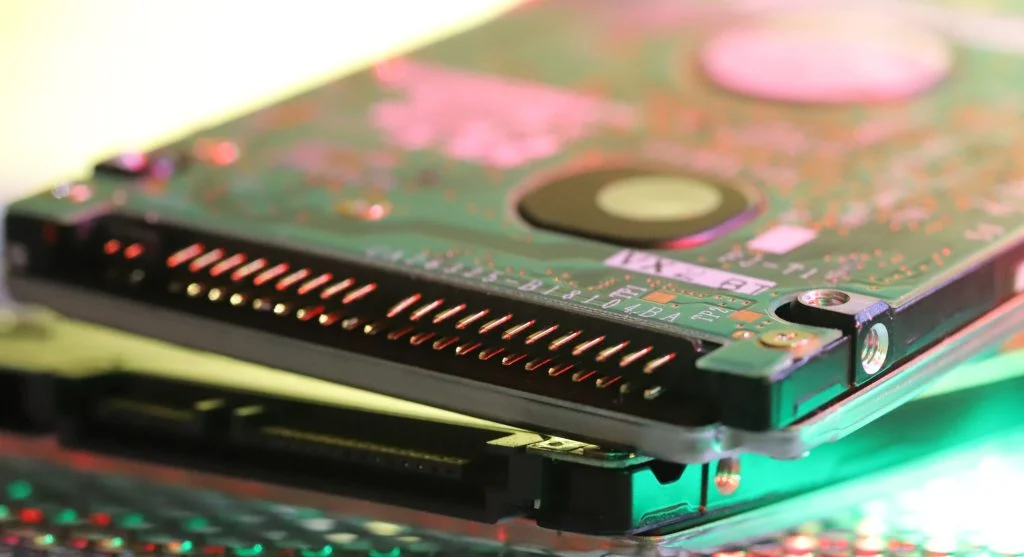
Storage is important, but more storage does not automatically make a phone faster. This is one of the smartphone performance myths that often causes confusion. Many users believe that buying a phone with more storage, or deleting a few files, will instantly solve every speed issue.
Having enough free space can help your device run better. A phone that is nearly full may struggle with updates, app data, temporary files, and normal system operations. However, storage is only one part of performance.
Performance also depends on:
- Processor power
- Memory usage
- System optimization
A phone with plenty of storage can still feel slow if it has an older processor, too many demanding apps, poor software optimization, or heavy background activity. At the same time, a device with moderate storage can run smoothly if it is managed well.
Storage alone does not guarantee speed. It helps create room for the system to operate properly, but it cannot replace good hardware, efficient software, or smart usage habits.
The best approach is to maintain a healthy storage balance. Remove files and apps you no longer need, but do not expect storage space by itself to fix every performance problem.
Myth 4: Restarting Frequently Solves All Problems
Restarting a phone can be useful. It clears temporary processes, refreshes the system, and may fix minor glitches. If your phone is acting strangely, restarting is often a good first step.
But restarting does not solve every problem. Some users treat it as a complete fix for all performance issues, but deeper problems usually need more specific attention.
It helps with:
- Temporary glitches
For example, if an app is outdated, restarting may not fix the app’s performance problem. If storage is almost full, a restart will not create meaningful space. If a phone is overheating because of heavy gaming or direct sunlight, restarting may only help briefly unless the cause is addressed.
But deeper problems need proper solutions. Restarting can support performance, but it should not replace regular maintenance. It is useful as a quick reset, not as a complete smartphone optimization strategy.
A simple restart once in a while can help the device feel fresh, especially if it has been running for many days. However, if you need to restart constantly just to keep the phone usable, there may be another issue that needs attention.
Myth 5: High-End Phones Never Slow Down
Many people assume that expensive or high-end phones will always stay fast. While powerful devices usually offer better performance, they are not immune to slowdown.
Even premium smartphones can become slower over time if they are not managed properly. Apps become more demanding, storage fills up, software issues can appear, and daily usage patterns can affect performance.
This happens due to:
- App usage
- Storage buildup
- Software issues
A high-end phone may handle heavy tasks better than a budget device, but it still has limits. If it is filled with unused apps, overloaded with background activity, or running outdated software, performance can drop.
Proper maintenance is still required. This means keeping the system updated, removing unnecessary apps, managing storage, and paying attention to apps that consume too many resources.
The truth is that strong hardware helps, but it does not replace good habits. A powerful phone that is poorly managed can still feel slow, while a mid-range phone that is maintained carefully can remain smooth for everyday use.
Myth 6: More Apps Always Mean Better Functionality
Apps make smartphones useful, but installing too many apps can affect performance. Some users download multiple apps for every small task, thinking more tools will make the phone more capable.
In reality, every app adds something to the device. Some take up storage. Some run background services. Some send notifications, sync data, or request location access. Over time, this can create extra load.
This can lead to:
- Background activity
- Increased resource usage
- Slower response time
Too many apps can also make the phone harder to manage. Users may forget which apps they installed, which ones have permissions, and which ones are still active in the background. This can affect both performance and efficiency.
Quality matters more than quantity. It is better to keep apps that you actually use and remove the ones that are no longer necessary. A cleaner app list makes the phone easier to navigate and reduces unnecessary system activity.
This does not mean you should avoid useful apps. It simply means every app should have a reason to stay on your device. If you have not used an app in months, removing it may help keep your phone lighter and more organized.

Myth 7: Clearing Cache Always Fixes Speed Issues
Clearing cache is another common recommendation. Cache files are temporary files that help apps load content faster. In some cases, clearing them can fix problems, especially if an app is glitching, loading old data, or using too much temporary storage.
However, clearing cache is not a guaranteed way to improve overall phone speed. Sometimes it can even make apps load more slowly for a short time because they need to rebuild the cached data again.
It is useful for:
- Fixing specific app issues
For example, if one app is freezing or showing errors, clearing that app’s cache may help. But clearing cache constantly across the whole phone is usually not necessary for regular performance.
It does not guarantee overall performance improvement. Cache is not always junk. In many cases, it is there to make repeated actions faster and smoother.
The smarter approach is to clear cache only when there is a reason. If an app is taking up too much space or acting strangely, clearing its cache can be useful. But doing it daily as a speed trick is not always helpful.
What Actually Improves Smartphone Performance
Once you understand common smartphone performance myths, it becomes easier to focus on what actually works. Real improvements usually come from steady habits rather than quick tricks.
Real improvements come from:
- Managing apps wisely
- Keeping software updated
- Maintaining storage balance
Managing apps wisely means keeping the apps you use and removing the ones you do not need. It also means paying attention to apps that drain battery, send too many notifications, or run heavily in the background.
Keeping software updated helps because updates often include bug fixes, performance improvements, and better system stability. Outdated apps or operating systems may create small issues that affect speed over time.
Maintaining storage balance is also important. Your phone needs room for app data, updates, photos, videos, and system files. A nearly full device may feel slower because it has less space to work efficiently.
These steps are more effective than myths because they address the real causes of performance problems. Instead of chasing instant fixes, they support smoother operation over the long term.
How to Maintain Long-Term Performance
Consistency is important for performance. A phone usually does not slow down overnight. Performance issues often build gradually as apps, files, updates, and daily habits add up.
Simple habits include:
- Removing unused apps
- Updating regularly
- Using phone efficiently
Removing unused apps keeps the device cleaner and reduces unnecessary background activity. Updating regularly helps apps and the system work more smoothly. Using the phone efficiently means avoiding habits that put extra stress on the device, such as keeping too many unnecessary features active or filling storage without checking it.
Good habits ensure better results. You do not need complicated tools or constant adjustments. In most cases, a few practical steps are enough to keep the device running well.
Long-term performance depends on balance. Let the phone’s system manage what it is designed to manage, but take care of the things that require your attention. Keep storage under control, check app usage from time to time, and avoid installing tools that create more load than they remove.
Frequently Asked Questions
Q: Do myths improve phone speed?
A: Most do not provide real benefits. Some may help in specific situations, but many common phone speed myths are not reliable long-term solutions.
Q: Should I close apps often?
A: Not necessary for performance. Modern phones manage apps automatically, so closing every app repeatedly is usually not needed.
Q: Are cleaning apps useful?
A: Usually not required. Many cleaning functions are already handled by the system, and extra apps can sometimes use more resources.
Q: What improves performance?
A: Proper usage and maintenance. Managing apps, keeping software updated, and maintaining storage balance are more useful than following outdated advice.
Key Takeaway
Smartphone performance myths can mislead users and waste time. Many popular tips sound helpful, but they do not always match how modern smartphones actually work.
By focusing on real factors and avoiding outdated advice, you can keep your device fast and efficient. Instead of constantly closing apps, installing cleaning tools, or expecting storage alone to fix everything, pay attention to practical habits that support long-term performance.
Share this content:












Post Comment