How AI Voice Assistants Are Evolving in Smartphones and Changing Everyday Interaction
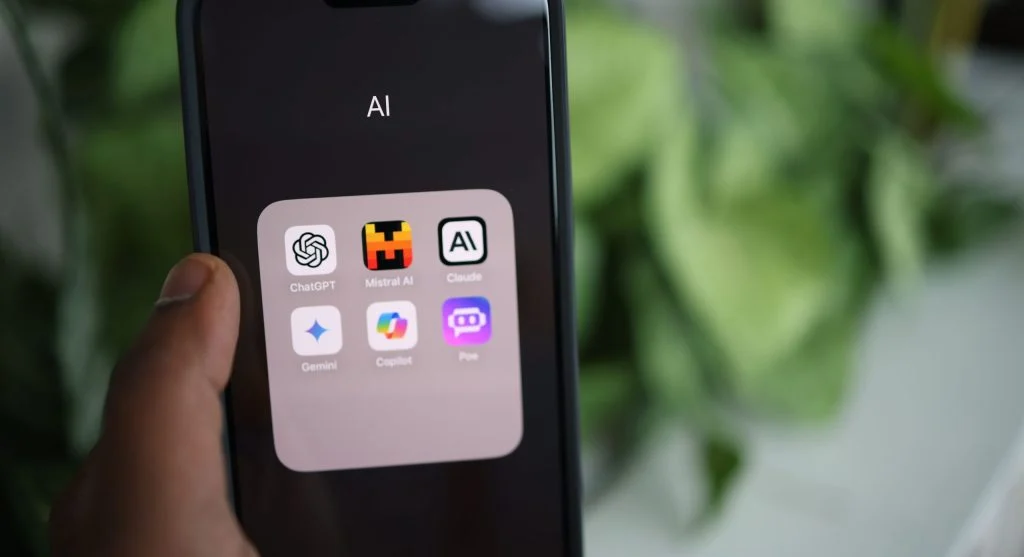
Artificial intelligence has transformed many aspects of smartphone technology, and voice assistants are among the most visible examples. What began as simple tools for setting alarms or making calls has evolved into sophisticated systems capable of understanding natural language, learning user preferences, and assisting with a wide range of daily tasks.
Today’s AI-powered voice assistants are faster, smarter, and more responsive than ever before. As artificial intelligence continues to advance, these assistants are changing how people interact with their devices and helping shape the future of mobile technology.
What Are AI Voice Assistants?
AI voice assistants are software systems that allow users to interact with their smartphones using spoken commands instead of traditional touch controls.
These systems rely on artificial intelligence to:
- Understand spoken language
- Process user requests
- Interpret context
- Deliver relevant responses
By combining voice recognition and machine learning technologies, AI voice assistants make smartphone interactions more natural and convenient.
Whether setting reminders, checking the weather, sending messages, or answering questions, they allow users to complete tasks without touching their devices.
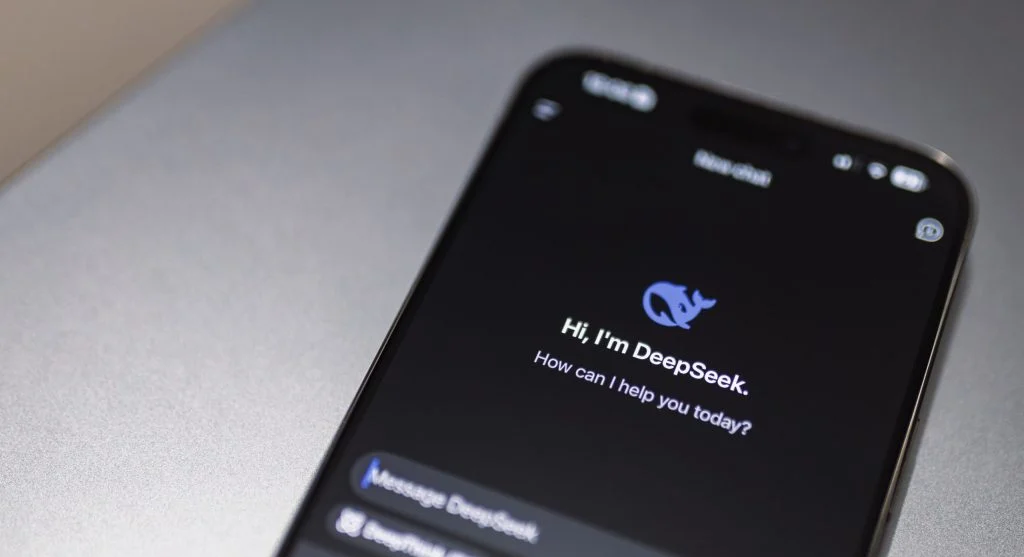
Early Voice Assistants vs. Modern Systems
The first generation of smartphone voice assistants offered limited functionality. They could perform simple actions such as:
- Setting alarms
- Making phone calls
- Sending basic messages
- Opening applications
While useful, these early systems often struggled to understand complex speech patterns and frequently required exact commands.
Modern AI voice assistants are significantly more advanced. They can:
- Understand conversational language
- Process complex requests
- Recognize context
- Learn from user behavior
- Provide more accurate responses
This evolution has made voice assistants far more practical and reliable for everyday use.
Natural Language Understanding
One of the biggest improvements in AI voice assistants is their ability to understand natural language.
Earlier systems often required users to speak in very specific ways. Today’s assistants can better interpret how people naturally communicate.
Modern AI systems can:
- Recognize different accents
- Understand conversational speech
- Process varied sentence structures
- Interpret follow-up questions
- Respond more accurately
This creates a smoother and more human-like interaction experience.
Instead of memorizing commands, users can simply speak naturally and expect more reliable results.
Personalization Through Artificial Intelligence
AI voice assistants become more useful over time because they can learn from user behavior and preferences.
As they gather information, they can:
- Suggest helpful actions
- Provide personalized recommendations
- Anticipate user needs
- Adapt to usage patterns
For example, a voice assistant may learn frequently used routes, preferred music choices, or common daily routines.
This personalization helps create a more efficient and customized smartphone experience.
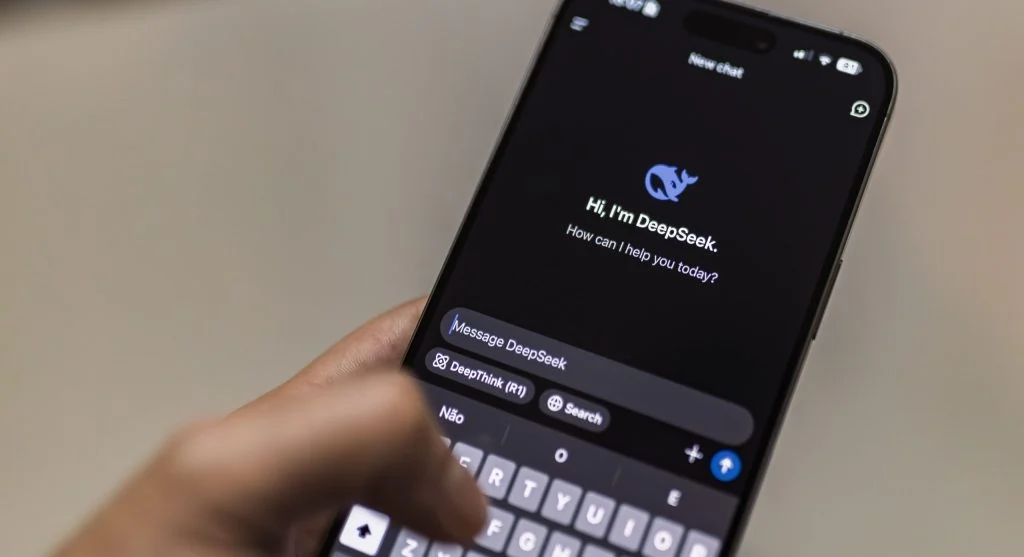
Hands-Free Control and Automation
One of the most valuable advantages of voice assistants is the ability to operate smartphones without touching them.
Users can perform tasks such as:
- Sending messages
- Making phone calls
- Setting reminders
- Creating calendar events
- Opening applications
- Searching for information
Hands-free control improves convenience, especially when users are driving, cooking, exercising, or performing other activities that make manual interaction difficult.
It also increases accessibility for people who may have difficulty using touch controls.
Integration With Smart Devices
Modern AI voice assistants are no longer limited to smartphones. They increasingly serve as central control systems for a growing ecosystem of connected devices.
Many assistants can now manage:
- Smart home lighting
- Smart thermostats
- Security cameras
- Smart speakers
- Connected appliances
- Streaming devices
This integration allows users to control multiple technologies through a single voice interface.
As smart home adoption continues to grow, voice assistants are becoming increasingly important as digital control hubs.
Privacy and Security Considerations
As voice assistants become more capable, privacy and security remain important considerations.
Because these systems process voice data and personal information, users should understand how their data is handled.
Good security practices include:
- Reviewing privacy settings regularly
- Managing microphone permissions
- Limiting unnecessary data sharing
- Using secure authentication methods
- Understanding how voice recordings are stored
Most major smartphone platforms offer privacy controls that allow users to customize how their voice data is collected and used.
Responsible management of these settings helps ensure a safer experience.
The Future of Voice Assistants
AI voice assistants continue to improve rapidly, and future developments are expected to make them even more intelligent and capable.
Potential advancements include:
- Better emotional understanding
- More natural conversations
- Improved contextual awareness
- Enhanced personalization
- More advanced automation
- Faster and more accurate responses
Future assistants may become increasingly proactive, helping users manage tasks and information before they even ask for assistance.
As artificial intelligence evolves, the boundary between digital assistant and personal technology companion may continue to narrow.
Benefits of AI Voice Assistants
AI voice assistants provide several advantages that make smartphones easier and more efficient to use.
Key benefits include:
- Convenience
- Speed
- Hands-free operation
- Improved accessibility
- Personalized assistance
- Enhanced productivity
These capabilities help simplify many everyday tasks while reducing the need for manual interaction.
Frequently Asked Questions
Q: What are AI voice assistants?
A: Systems that respond to voice commands using AI.
Q: Are they improving?
A: Yes, with better understanding and features.
Q: Can they replace manual use?
A: For many tasks, yes.
Q: Are they safe to use?
A: Yes, with proper settings.
Key Takeaway
AI voice assistants have evolved from simple command-based tools into intelligent systems capable of understanding natural language, learning user preferences, and supporting a wide range of daily activities. Through advances in artificial intelligence, they continue to make smartphones smarter, more convenient, and more responsive to user needs. As technology progresses, voice assistants are expected to play an even greater role in mobile interaction, automation, and connected digital experiences.
Share this content:













Post Comment