Simple Smartphone Screen Time Tips Experts Recommend to Reduce Usage and Improve Daily Focus

Smartphones have become an integral part of modern life. From the moment we wake up to the last few minutes before sleep, many of us spend more time on our phones than we realize.
While smartphones offer convenience, entertainment, and instant access to information, excessive screen time can affect focus, productivity, and daily routines. What begins as a quick check of notifications can easily turn into hours of unnecessary usage.
This is why following smartphone screen time tips can be beneficial. By becoming more mindful of how you use your device, you can create a healthier balance between digital activities and real-world experiences.
Why Screen Time Increases Without You Noticing
Most people do not intentionally spend excessive time on their smartphones. Instead, screen time tends to increase gradually through everyday habits.
Some of the most common reasons include:
- Frequently checking notifications
- Scrolling through social media feeds
- Watching short videos one after another
- Reaching for the phone during spare moments
Although each action may only take a few minutes, these habits accumulate throughout the day and significantly increase total screen time.
Over time, this pattern can become an automatic routine that is difficult to break.
Check Your Screen Time to Build Awareness
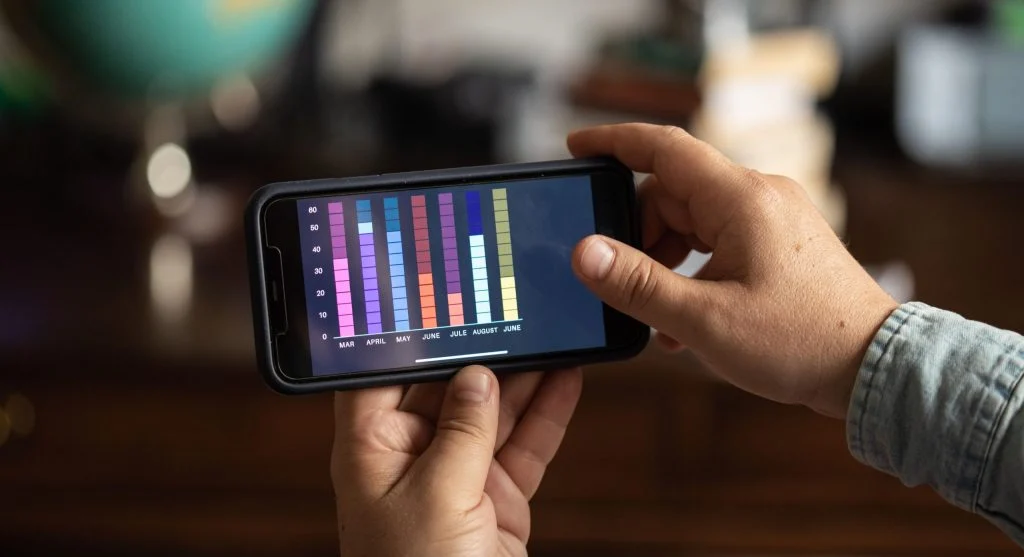
Before reducing screen time, it helps to understand how much time you currently spend on your phone.
Most smartphones provide built-in screen time reports that show:
- Total daily usage
- Most frequently used apps
- Number of times you pick up your phone
Reviewing this information can help you identify habits that contribute to excessive usage and reveal areas where improvements can be made.
Set Daily Usage Limits
One of the most effective ways to reduce screen time is by setting limits for specific apps or activities.
Doing so can help you:
- Spend less time on distracting apps
- Focus more effectively on important tasks
- Develop healthier digital habits
Usage limits serve as helpful reminders and encourage more intentional smartphone use.
Turn Off Non-Essential Notifications
Notifications are one of the biggest reasons people check their phones so frequently.
Reducing unnecessary alerts can help:
- Minimize distractions
- Lower overall screen time
- Improve concentration
Fewer notifications often lead to fewer interruptions throughout the day.
Create Phone-Free Time Periods
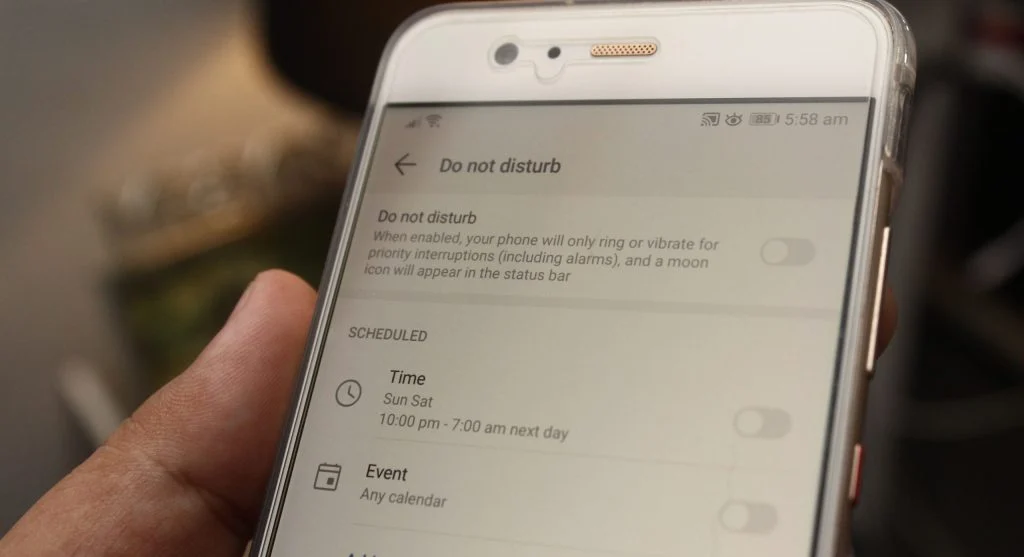
Designating certain times of the day as phone-free can help build healthier habits and reduce unnecessary screen exposure.
Examples include:
- During meals
- Before bedtime
- While working or studying
These dedicated breaks from your device can improve focus, productivity, and overall well-being.
Use Focus Modes and Digital Wellbeing Features
Many smartphones now include built-in tools designed to help users manage screen time and reduce distractions.
These features can:
- Restrict access to selected apps
- Silence interruptions during important activities
- Encourage more mindful usage
Taking advantage of these tools can make it easier to stay focused and maintain healthier digital habits.
Avoid Using Your Phone During Every Idle Moment
Many people automatically reach for their phones whenever they have a few spare minutes.
Whether waiting in line, sitting in a waiting room, or taking a short break, these small moments often contribute significantly to daily screen time.
Instead, consider using those moments for:
- Taking a brief mental break
- Relaxing without a screen
- Engaging in another simple activity
Reducing this automatic behavior can have a noticeable impact on overall usage.

Replace Screen Time with Meaningful Activities
Reducing screen time often becomes easier when you replace it with activities that provide value or enjoyment.
Some alternatives include:
- Reading books or articles
- Spending time outdoors
- Practicing hobbies or creative activities
Having meaningful alternatives helps reduce the urge to constantly check your phone.
Track Your Progress and Adjust Your Habits
Building healthier screen time habits is an ongoing process that requires consistency.
Monitoring your progress can help you:
- Stay motivated
- Recognize improvements
- Identify areas that need adjustment
Small changes made consistently over time often produce the most lasting results.
Frequently Asked Questions
Q: What are smartphone screen time tips?
A: They help reduce phone usage and improve focus.
Q: Why is screen time high?
A: Due to frequent usage and habits.
Q: Can screen time be controlled?
A: Yes, with settings and routines.
Q: Does reducing screen time help?
A: Yes, it improves focus and productivity.
Key Takeaway
These smartphone screen time tips can help you build healthier digital habits and create a better balance in your daily life. By monitoring usage, limiting distractions, setting boundaries, and replacing unnecessary screen time with meaningful activities, you can improve focus, productivity, and overall well-being.
Share this content:














Post Comment