Common Tech Myths Experts Say Most People Still Believe Today

Tech myths continue to influence how people use their devices every day. Many of these beliefs stem from older technologies or misunderstandings about how modern systems actually work. As a result, users may follow habits that are no longer effective.
Technology analysts explain that understanding the truth behind these tech myths can help improve device performance and extend the lifespan of gadgets. Clearing up these misconceptions allows users to make more informed decisions.
Why Tech Myths Still Spread Today
Tech myths often spread through word of mouth or outdated advice. As technology evolves, certain old practices become irrelevant, yet they continue to circulate.
Experts note that many users depend on past experiences rather than updated information. This can create confusion and lead to ineffective device habits.
Credit: Stanley Ng / Pexels
Myth 1: Charging Your Phone to 100% Damages the Battery
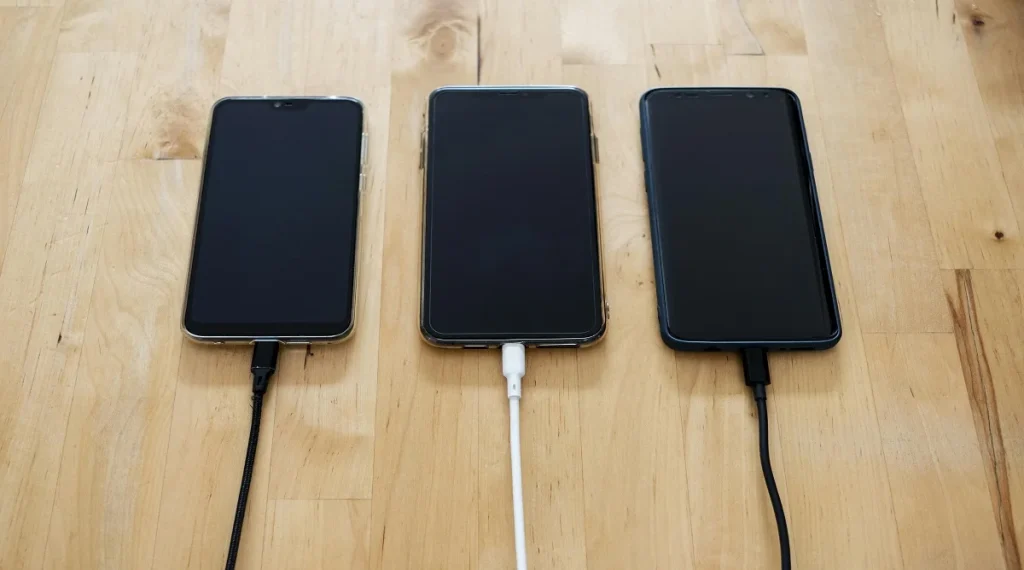
One of the most common tech myths is that charging a phone to full capacity harms the battery. This idea comes from older battery technologies that worked differently.
Modern smartphones use advanced battery management systems. According to mobile engineers, these systems regulate charging to prevent damage. While extreme heat can impact battery health, normal charging habits are generally safe.
Myth 2: Closing Apps Always Improves Device Performance
Many users think that constantly closing apps will make their device faster. However, this is not always the case.
Operating systems are built to manage apps efficiently in the background. Experts explain that repeatedly closing and reopening apps can sometimes use more resources than simply leaving them idle.
Myth 3: More Signal Bars Mean Faster Internet
Signal bars indicate connection strength, but they do not always reflect actual internet speed. Factors like network congestion and service quality also affect performance.
Technology specialists note that even with strong signal bars, slower speeds can still occur due to heavy network traffic or server delays.

Credit: Photographer Name / Pexels
Myth 4: Overnight Charging Always Harms Your Phone
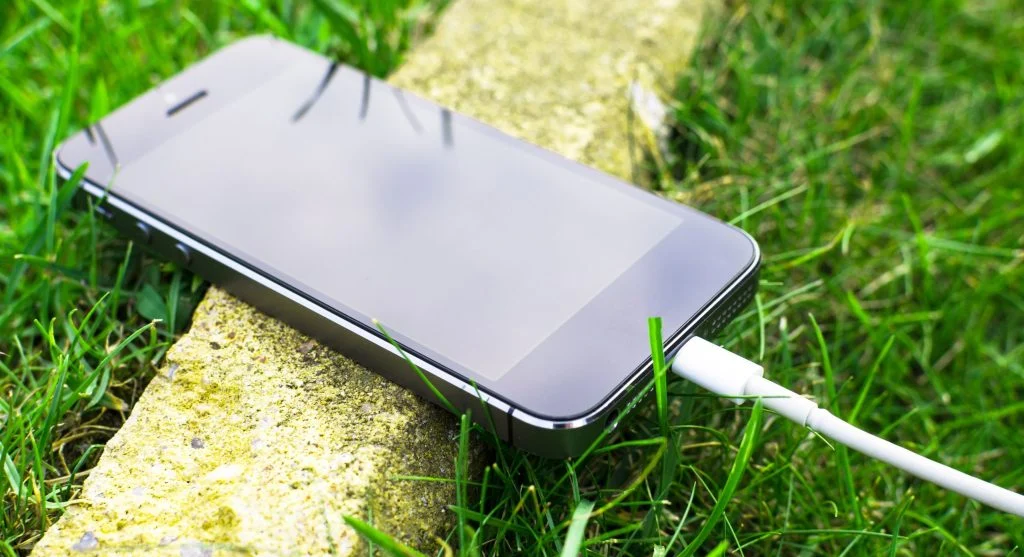
Another common tech myth is that charging your phone overnight damages the battery. This belief is outdated when it comes to modern devices.
Most smartphones stop charging once they reach full capacity. Engineers explain that built-in safeguards help prevent overcharging. However, it’s still important to avoid exposing devices to high temperatures.
Myth 5: Antivirus Apps Are Always Necessary on Smartphones
Some users assume that antivirus apps are essential for every smartphone. While security matters, not all devices require additional apps.
Experts suggest that official app stores and built-in system protections already provide strong security. Practicing safe browsing habits is often more important than installing extra software.

Credit: AS Photography / Pexels
Myth 6: More Megapixels Always Mean Better Camera Quality
Camera quality depends on more than just megapixels. Factors such as sensor size, software processing, and lighting conditions also play a major role.
Photography experts explain that higher megapixels do not automatically result in better photos. A balanced combination of hardware and software is what truly makes a difference.
Myth 7: Turning Off Wi-Fi and Bluetooth Saves Major Battery
While turning off certain features can save some power, modern devices are designed to manage connectivity efficiently.
Experts note that the battery savings from disabling Wi-Fi or Bluetooth are usually minimal unless these features are being used heavily.
Frequently Asked Questions
Q: What are the most common tech myths today?
A: Common tech myths include beliefs about battery damage, app closing improving speed, and signal bars showing internet speed.
Q: Do smartphones get damaged by overnight charging?
A: Modern devices are designed to stop charging when full, making overnight charging generally safe under normal conditions.
Q: Is more megapixels always better for photos?
A: No, camera quality depends on multiple factors, not just megapixels.
Q: Do background apps always slow down phones?
A: Not always. Operating systems manage apps efficiently, and closing them repeatedly may not improve performance.
Key Takeaway
Share this content:











Post Comment